
A resolution should not be the end of the conversation.
See yourself as a delegate—and as a contributor to your community.
Ideas deserve a next step.
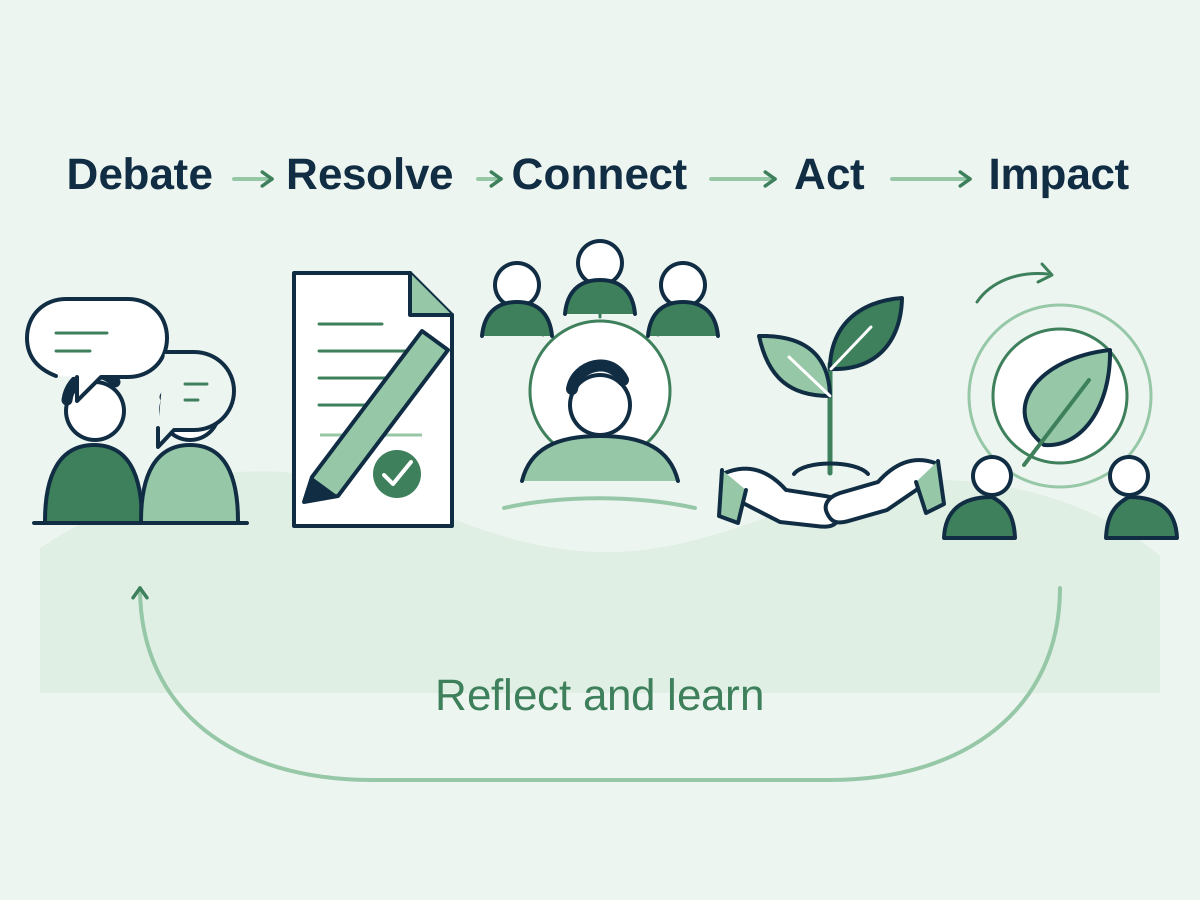
A good debate helps us understand a problem. A thoughtful resolution proposes a response. Action asks how learning can make a difference beyond the room.
Debate
What is the problem?
Define the issue. Understand who is affected and whose perspectives you need to hear.
Resolve
What can governments and communities do?
Explore realistic responses and identify the responsibilities, resources and trade-offs involved.
Connect
Who needs to be involved?
Identify the people, schools and community groups who can inform or support a next step.
Act
What can we do?
Choose an achievable action with a clear purpose, appropriate support and a way to learn from it.
Impact
What changed?
Reflect on the result. Gather evidence, consider limitations and decide what comes next.
GSDMUN encourages students to see themselves not only as delegates, but as contributors to their communities.
Try a small, thoughtful first step.
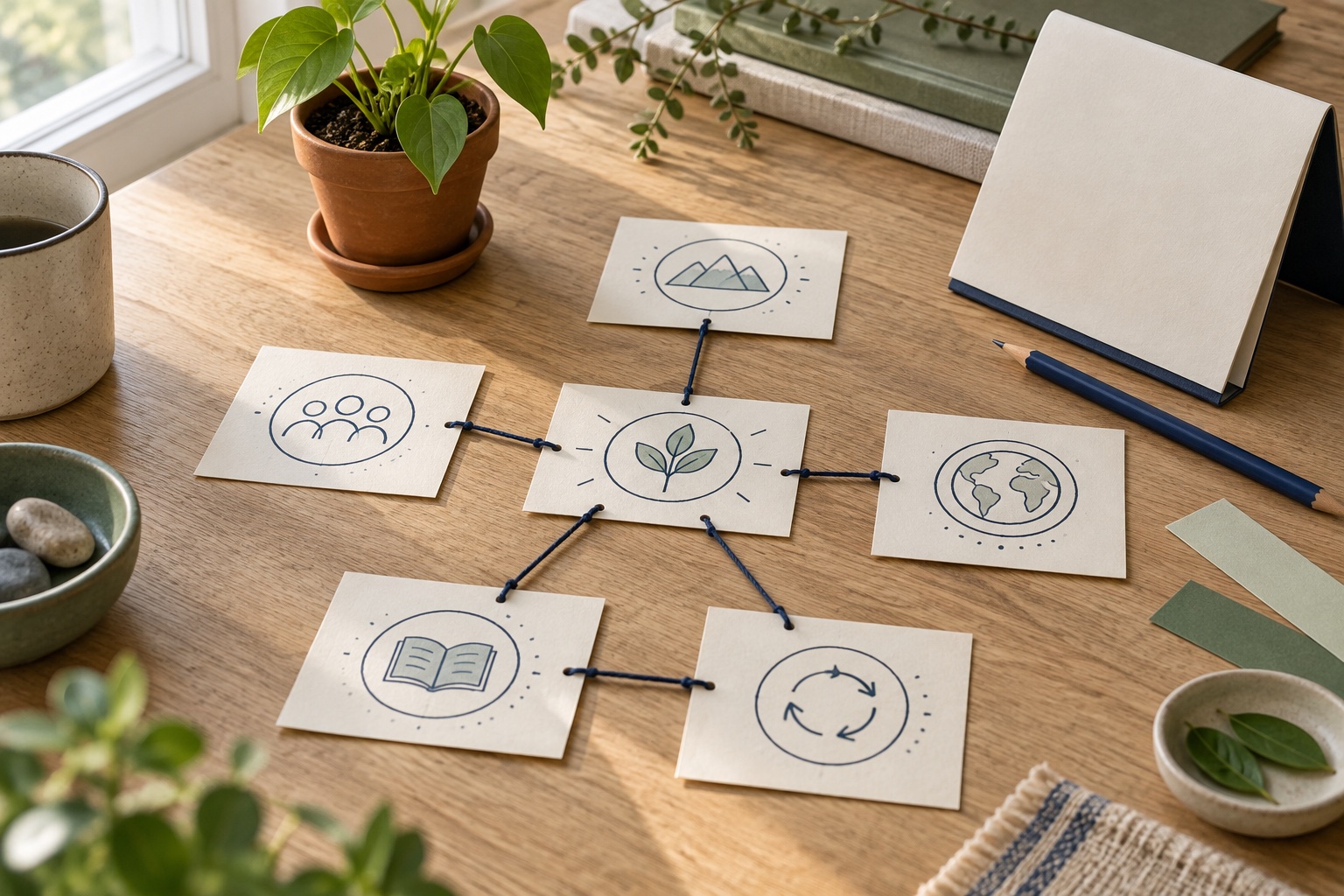
A shared plan begins with a local question, the people affected and one achievable action you can learn from.
Ask a local question
If your committee explored waste, start by asking what happens to materials in your school. Listen before proposing a solution.
Develop a shared plan
Work with classmates and a teacher to choose one achievable activity. Agree who will do what and how you will review it.
Reflect and share
Record what you tried, what you learned and what remains uncertain. Meaningful impact begins with honest reflection.
Your action planning worksheet
A printable Word worksheet for turning a committee topic into a practical next step.